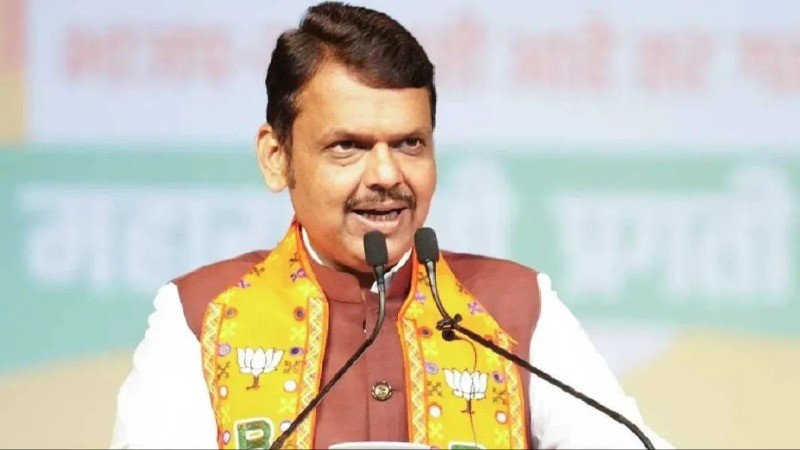

Mumbai’s recent urban evolution did not happen overnight, nor did it revolve around a single project. Over the past decade, the city has undergone a coordinated shift in how infrastructure, mobility and economic growth are planned and executed. During the tenure of Devendra Fadnavis, the emphasis moved from fragmented development to a citywide framework aimed at reducing daily friction for residents while preparing Mumbai for long-term global competition.
Rather than treating transport, housing and economic growth as separate challenges, the approach linked them together. The objective was straightforward: make the city easier to move through, more efficient to work in, and capable of supporting future population and business growth without collapsing under its own weight.
Rebuilding the City Around Movement
Mobility became the starting point. Years of stalled proposals and overlapping authorities had left Mumbai struggling with congestion and unreliable travel times. The new approach focused on integrating roads, metro rail, suburban trains, sea routes and airports into a single transport ecosystem.
Projects that had remained on paper for decades were cleared and monitored under fixed timelines. The idea was not only to complete infrastructure but to deliver visible improvement in everyday commuting.
The Mumbai Trans Harbour Link — now known as Atal Setu — became a defining example of this shift. By directly connecting South Mumbai with Navi Mumbai, the sea bridge unlocked faster access to industrial zones, highways and future urban growth areas. It also reduced pressure on overburdened eastern road corridors, changing traffic movement across the region.
Along the western coastline, the coastal road introduced a new north–south artery for the city. Designed to bypass crowded inner roads, it shortened travel times in South Mumbai and offered fuel and emission savings, while incorporating coastal protection and environmental safeguards.
Metro Rail as the Backbone of Daily Travel
While road infrastructure addressed surface congestion, the city’s longer-term mobility needs rested on rail-based mass transit. Metro expansion gained pace after years of slow progress, with multiple corridors moving simultaneously from planning to execution.
The underground Metro Line 3 created a high-capacity east–west corridor through Mumbai’s core, while suburban lines such as 2A and 7 expanded access in densely populated western suburbs. As operations began, metro ridership increased steadily, easing pressure on local trains in several stretches.
Areas around metro stations also began to change. Improved last-mile connectivity encouraged residential and commercial development nearby, reflecting a shift toward transit-oriented growth in a city where land is scarce and demand is constant.
Linking Infrastructure With Economic Growth
Urban development was tied closely to Mumbai’s economic positioning. The goal extended beyond transport efficiency to reinforcing the city’s role as India’s financial and emerging fintech capital. Aviation capacity, digital infrastructure and business ecosystems were treated as essential components of this vision.
The Navi Mumbai International Airport became central to this strategy. With existing air traffic nearing capacity, the second airport was planned to meet future demand while stimulating development across Navi Mumbai and Raigad. New business districts, logistics hubs and residential zones have followed, creating employment beyond the traditional city limits.
At the same time, policy support for data centres and technology parks attracted global firms, strengthening Mumbai’s footprint in financial technology and digital services.
Housing, Renewal and Social Balance
Urban transformation was not limited to elite districts or business hubs. Large-scale renewal projects focused on improving housing safety and living standards for middle- and lower-income residents. Redevelopment of ageing chawls, public housing upgrades and slum rehabilitation were positioned as integral to the city’s future.
The Dharavi redevelopment stands as the most ambitious of these efforts. The plan aims to replace unsafe housing with legal homes, modern infrastructure and upgraded workspaces while retaining Dharavi’s economic activity. Similar principles guide the redevelopment of BDD chawls, where rehabilitation has been designed to protect the rights of existing residents.
Mumbai’s coastline also came back into focus. Water transport, long ignored despite the city’s geography, was revived through water taxis and ferry services linking Mumbai with Navi Mumbai and Alibaug. These routes offer alternative travel options, support tourism and reduce pressure on land-based transport.
Execution, Oversight and Sustainability
Managing projects of this scale required tighter coordination. A central monitoring mechanism — often referred to as the Chief Minister’s War Room — was used to resolve inter-departmental issues related to land acquisition, permissions and timelines. This model helped reduce delays and control costs.
Environmental planning was built into execution rather than added later. Expansion of electric bus fleets, upgraded sewage treatment systems and coastal protection measures were paired with vertical development policies and transit-focused planning to manage growth responsibly.
A City That Functions Differently Today
For residents, the change is most noticeable in everyday movement — shorter commutes on certain routes, expanded public transport options and improved urban spaces. Supporters argue that the transformation reflects a shift from short-term fixes to long-term planning.
Mumbai today is more connected and structurally prepared for growth than it was a decade ago. Sea links, metro corridors, coastal roads and large-scale redevelopment projects have reshaped how the city functions. As a result, Mumbai’s development framework is increasingly cited as a reference point by other states looking to modernise their own urban centres.