
Modern front-end development demands a strategy that goes far beyond simply writing clean code. Today’s high-performing engineering organizations are aligning architectural overhauls with wider business objectives to create truly scalable applications. Next.js has emerged as a premier framework in this domain, providing hybrid rendering for accelerated load times and automatic code splitting to efficiently handle bundle sizes. These features are vital for handling high traffic volumes, turning potential performance bottlenecks into seamless user experiences—a shift that reflects the industry’s broader move toward edge computing and AI-integrated workflows.
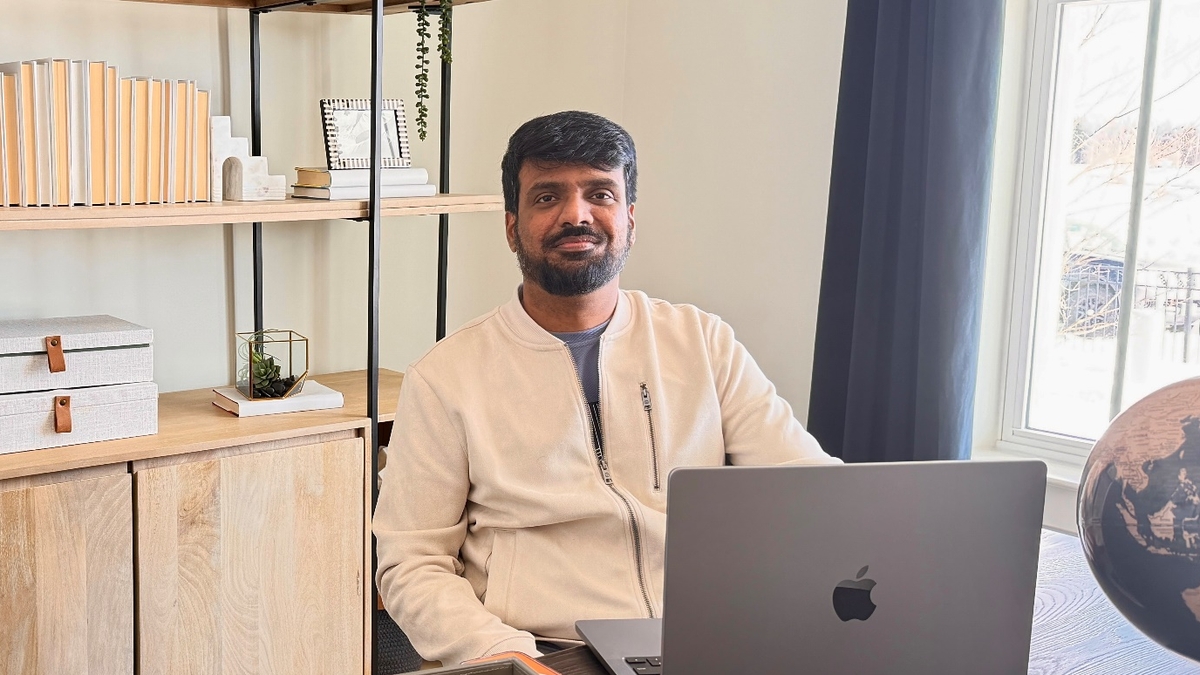
Somraju Gangishetti demonstrated how technical execution and team alignment can function in harmony within the media sector, leveraging his deep professional background. By leading platform research, he directed the migration from legacy Pug templates to a modern Next.js and React stack. This shift enabled the creation of reusable components via Storybook, which boosted developer productivity by 40% and reduced UI-related bugs by 30%.
To mitigate risk during this migration, the team utilized staged rollouts. Both the legacy and new systems ran in parallel, with critical pages achieving 30% faster load times on both architectures before the final cutover. During this period, he also deprecated Accelerated Mobile Pages after performance assessments revealed that Next.js provided a 20%-smaller codebase while simultaneously lowering maintenance overhead.
Privacy compliance became the next major priority. The expert conducted a thorough audit of consent flows, implemented a new tool, and ensured full compliance without disrupting the user interface. This dedication to performance yielded tangible results: enabling bfcache achieved 0ms back/forward navigation, improved Largest Contentful Paint by 25-30%, and boosted mobile session durations by 10%. Furthermore, the integration of an AI search tool maintained 99.9% uptime, effectively blending front-end stability with advanced functionality.
Additional accomplishments included migrating ad logic to the front end and introducing interactive games that improved both user retention and revenue. By integrating TypeScript across the stack, he established safety nets that minimized errors within the Next.js environment. These initiatives helped construct a robust component library, effectively bridging the gap between design and engineering workflows.
Challenges served as a proving ground, particularly when facing internal resistance regarding new safety protocols or the difficulty of proving the value of invisible performance gains. In every instance, the metrics provided the necessary validation. "Technical leadership is not about adding new tech, but knowing when a certain standard has become technical debt and possessing the data-supported boldness to drop it", he added.
The industry landscape is in a constant state of flux. AI is set to handle migrations and automate linting, edge runtimes will minimize global latency, and the distinction between front-end and back-end will continue to fade with Server Actions. Leaders who embrace these shifts will naturally improve Core Web Vitals and increase user engagement. The methodology employed by Gangishetti highlights the advantages of this focused approach, resulting in a resilient application. As the agent revolution of 2026 approaches, the industry will rely increasingly on type-safe development, enabling teams to build even more sophisticated code.

_69044b8ed15bc.jpg)