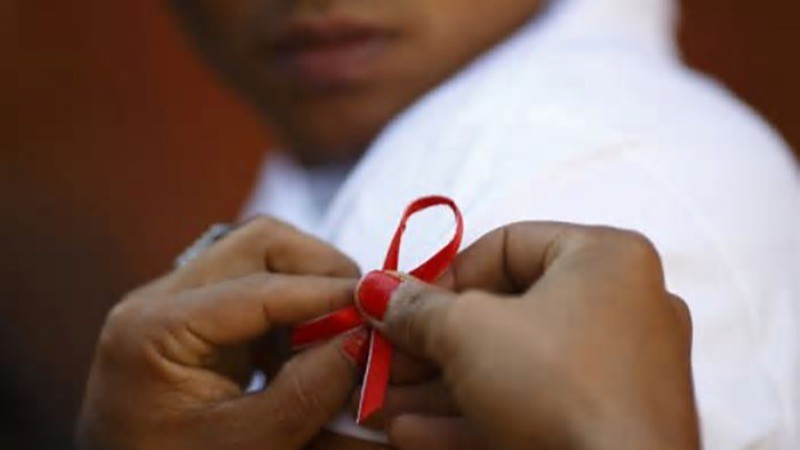

India's HIV epidemic shows declining trends, with adult HIV prevalence at 0.2%, and AIDS related deaths falling at 81% since 2010, much ahead of the global performance. Moreover, new HIV infections have dipped by about 49%, which places India higher in the worldwide trends.
However, the further breakdown is somewhat disturbing, as the nation's success faces a troubling shift. Because the HIV burden now rests primarily in the Northeast region, as states like Mizoram and Nagaland have recorded HIV prevalence above 1%, which is five times higher than the national average. Other states, such as Punjab and Meghalaya, also reported a surge that has been linked with drug use and changing sexual behaviour among youngsters.
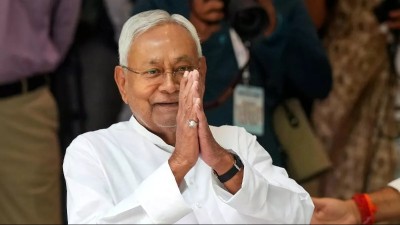
The findings were recently revealed in the India HIV Estimation 2025, which was released by Union Health Minister Jagat Prakash Nadda during a national event on World AIDS Day at Vigyan Bhawan in New Delhi on Monday.
The report has been developed by NACO under the IESE framework, with the findings covering 34 states and union territories, and 762 districts. It was led by ICMR-NIRDHDS, deriving support from nine other national institutes and state AIDS control societies.
As he released the report, JP Nadda said that the HIV programme of India continuously shows strong gains, with testing soaring from 4.1 crore to 6.6 crore, an increase in people on treatment from 14.9 lakh to 18.6 lakh, and viral load tests now doubled to 16 lakh.
India has significantly outperformed the global average, marking a 35 per cent drop in new HIV infections and a 69 per cent decline in HIV-related deaths.
Nadda also reflected that 85 per cent of people suffering from HIV know their status, 88 per cent are receiving treatment, while 97 per cent have viral suppression - that ensures the country firmly meets the 95-95-95 targets by 2030. However, he cautioned that HIV-TB co-infection and poor adherence to ART are the major challenges that need intensified counselling and community support.
Earlier in 2024, it was estimated that nearly 25.6 lakh people were living with HIV in the country, including 14 lakh men and 11 lakh women. Prevalence of HIV remains low among the youth (15 to 24 years) at 0.06%.
The largest burden is carried by Maharashtra, Karnataka, and Andhra Pradesh, among other states. Six other states altogether account for 74% of the total PHIV of India. But, as mentioned above, it is the northeast region which reveals warning signs. The new infection rate of Mizoram is 18 times the national average.